Waste Heat to warm thousands of London homes • Vattenfall to expand Bristol Heat Network • new tool helps homes get ready for heat pumps and EV chargers • Read more about the developments in sustainable heating and cooling in this month's news update from the UK




Cory Group is taking a bold step in London’s clean energy transition by announcing a major new project that will convert waste heat from its Riverside 1 Energy-from-Waste (EfW) facility in Bexley into a low-carbon heating solution for the city. The project involves constructing a new underground transmission main that will carry hot water from the Thames estuary facility to homes and businesses across south-east and central London to supply a wide range of residential, commercial, and public buildings.
The project has been designated as “nationally significant” by the Department for Energy Security and Net Zero (DESNZ), highlighting its potential to drive investment, cut emissions, and enhance energy security. At full capacity, Cory’s waste heat could meet the total annual heating demand of the City of London and around half of the City of Westminster. The transmission main is forecast to deliver heat to approximately 300.000 homes, providing a significant boost to London’s growing network of low-carbon district heating energy solutions.
The Riverside 1 facility currently processes more than 750.000 tonnes of residual waste per year. By capturing the excess heat generated, Cory is not only addressing a key source of carbon emissions but also providing an economically viable alternative to conventional heating systems. The underground tunnels, constructed using techniques similar to those deployed for the Elizabeth Line underground and Thames Tideway wastewater tunnel, will ensure minimal disruption while offering robust and future-ready infrastructure.
Read more in article from Let’s Recycle
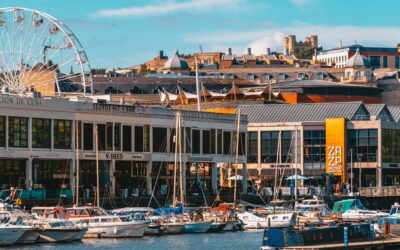
Bristol is embarking on an ambitious journey toward low-carbon heat, with Swedish state-owned energy company Vattenfall set to expand the city’s District Heat Network over the next 25 years. Already operational in the city centre, Redcliffe, Temple Meads, and Bedminster, the network currently supplies the equivalent of 11.500 homes. The expansion, part of the Bristol City Leap partnership, aims to ensure that by 2050, over half of Bristol’s residents will live, work, or study in buildings heated by fossil-free energy, transforming the city’s energy landscape.
At the heart of the network lies Castle Park, where heat in the water of the Floating Harbour is captured and amplified through heat pumps to provide heating and hot water to surrounding buildings through the district heating network. The new Frome Heat Network Area will extend this approach further into the city centre and eastwards, connecting thousands of new homes and commercial spaces in areas undergoing major regeneration, including Broadmead, the Bearpit, and St. Judes. The initiative exemplifies how urban planning and clean energy technology can work hand in hand to create sustainable, resilient communities.
The expansion underlines Bristol’s commitment to achieving carbon neutrality by 2030. As the network grows, it will deliver affordable, low-carbon heat to an increasing number of residents, improve energy efficiency, and support the city’s economic development. By leveraging Swedish expertise in district heating, Vattenfall is helping to establish a model for other UK cities, proving that large-scale urban decarbonisation is both feasible and beneficial for local communities.
Read more in article from Bristol Live
Scottish and Southern Electricity Networks (SSEN) Distribution is pioneering a new approach to help UK households prepare for the transition to low-carbon energy technologies with its innovative Electricity Supply Checker. The tool provides homeowners with detailed information on whether their property’s electrical system can support heat pumps, electric vehicle (EV) chargers, and other electric systems. With around 740.000 households in SSEN’s service area likely needing upgrades to accommodate these low-carbon solutions, the Checker is a critical tool for accelerating the UK’s clean energy transition.
The system offers detailed insights into the available capacity at each property and provides guidance on which technologies can be installed, whether upgrades or modifications are necessary, and how best to proceed. This new level of transparency empowers households to plan proactively, enabling them to install heat pumps or EV chargers without unexpected obstacles when replacing existing fossil fuels systems.
SSEN is now conducting real-world trials in Swindon and South Oxfordshire, areas selected for their diverse housing stock and mix of urban and suburban properties. By providing clarity on electrical capacity, the initiative helps households make informed decisions and contributes to wider UK goals for the adoption of clean energy solutions. The tool also represents an important step in ensuring that the electricity network is prepared to accommodate the growing demand for electric heating and transportation, supporting a sustainable, net-zero future.
Read more in article from Scottish Construction Now
To stay updated on news for sustainable heating and cooling, follow us on LinkedIn, and subscribe to our Newsletter.
Sweden is at the forefront of decentralised heat networks technology. Our aim for “Sustainable Heating & Cooling by Sweden” is to facilitate knowledge sharing between British, French and Swedish stakeholders and develop and encourage environmental and economic best practice.
To find out how we can help you and your organisation, please contact our London or Paris-based “SHC” teams. We can introduce you to leading consultants, suppliers of technology and services who will be pleased to share know-how of the development of sustainable heating & cooling solutions.